
PhD in BioRobotics
A three-year study and research program that aims to train high-skilled researchers and innovators. With more than 100 students enrolled (an average of 30 or more students per year), the PhD in BioRobotics is among the largest doctoral schools in robotics and biomedical engineering in the world.
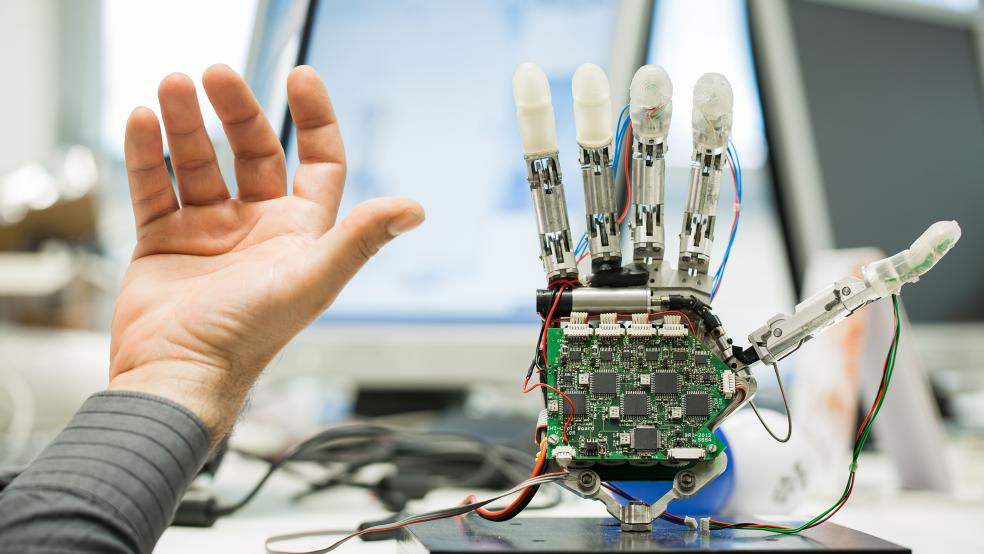
BioRobotics is an emerging interdisciplinary field at the intersection of robotics, bioengineering and biomimetics. The PhD in BioRobotics is a three-year program that offers a stimulating multidisciplinary learning and research environment (see our Research Lines). The program aims at training early-stage researchers in the design and development of radically new robots, machines, and systems, according to the principles of technological, environmental, social, ethical and economic sustainability. Such robotic technologies are bio-applied (e.g., for medical applications) and/or bio-inspired (aiming at significantly improving their capabilities). Doctoral research projects are carried on in very well equipped, state-of-the-art laboratories. Personal and team work are performed under the supervision of a committed faculty in the framework of international collaborations.
During the three-years program, doctoral candidates must obtain:
- 20 ECTS (European Credit Transfer System) by the attendance of internal courses as well as of external courses and summer school, and by project works
- 160 ECTS for the research activity
The PhD in BioRobotics guarantees a wide and multidisciplinary training offer on the scientific themes of robotics, biomedical engineering, bioengineering and biomimetics (see Courses). At the end of the PhD Program, Doctors of Philosophy will possess solid scientific and engineering skills, the ability to conceive and carry out original research projects, and an autonomous entrepreneurship spirit.
Admission
Students are admitted to the program following a successful entrance examination (ranking criteria are set in the official call). Eligible applicants must hold a Master of Science (M.Sc.) degree or equivalent title. Master’s students may also apply, if they graduate within September 30th.
Scholarships and benefits
Students admitted to the PhD program are awarded a fully funded three-year Scholarship, renewed annually following a successful assessment. Additional benefits are free meals (about one per day) at the university canteen, a fund for a research stay abroad, a personal fund for research and learning, and, possibly, a yearly contribution for accommodation (for more information see current call and annexes).
Application and Tuition Fees
There are no application fees, as well as no tuition fees for the enrolment to the PhD in BioRobotics.
Post-degree employment
The employment rate reaches 100% in short after the degree. Job opportunities ranges from academia (with alumni now working at prestigious international universities such as Harvard University, Stanford University, Boston University, ETH Zurich, EPFL, University of Pittsburgh, University of Alabama, Khalifa University) to public and private research centres. Many of our PhD holders find jobs in high-tech industries and start-ups.